
via Dogtopia https://ift.tt/3eO4qoa

Home for Dogs,Kittens And Friends
As part of its partnership with Peanuts to commemorate the comic strip’s 70th anniversary, Dogtopia, one of the country’s largest and fastest-growing pet franchises, is throwing a nationwide birthday bash for Snoopy across its nearly 150 daycare centers on Monday, August 10. Leading up to the birthday bash, Dogtopia is hosting a Snoopy lookalike contest online starting July 15 until to August 9. Pet parents nationwide can submit photos of their furry friend for a chance to win a Peanuts prize pack at www.dogtopia.com/snoopybirthday.
Along with the opportunity to win the grand prize, all entries will receive a special savings code to Hallmark’s online store, valid from July 27 to August 10. The discount will be good for 20 percent off all Peanuts cards, gifts and gift wrap for orders at Hallmark.com and online orders picked up in the store.
“It’s been a pleasure working with the Peanuts team the last several months, and we are excited to bring even more fun to our daycare centers with the lookalike contest and birthday bash for Snoopy,” said Neil Gil, CEO of Dogtopia. “Snoopy embodies everything Dogtopia prides itself on – joy, playfulness, humor, and compassion – and the iconic canine’s birthday is the perfect occasion to celebrate our own furry friends and give back to our loyal pet parents.”
“Snoopy is a member of the Peanuts family just as much as his human counterparts, so it is only fitting that Dogtopia is throwing him this large-scale birthday celebration,” said Lindsay Martinez, Senior Vice President, North American Licensing and Partnerships, Peanuts Worldwide. “The love and care Dogtopia shows its pets and pet parents align perfectly with the core values of our brand and the relationship between Charlie Brown and Snoopy.”
To find your closest Dogtopia daycare and learn more about the Snoopy celebration locally, visit www.dogtopia.com and be sure to request daycare on Monday, August 10.
ABOUT DOGTOPIA:
Founded in 2002, Dogtopia is an early pioneer and innovator in the pet services industry, offering an experience focused on quality of care, safety and transparency in the market. With an emphasis on education, exercise and safe socialization for dogs, pet parents have the assurance of leaving their beloved furry family members in the hands of trained professionals in an environment created with the safety of dogs in mind. For more information, visit www.dogtopia.com.
About Peanuts
Charles M. Schulz first introduced the world to the Peanuts characters in 1950, when the Peanuts comic strip debuted in seven newspapers. Since then, Charlie Brown, Snoopy and the rest of the Peanuts gang have made an indelible mark on popular culture. The new series Snoopy in Space launched on Apple TV+ on November 1, 2019. Peanuts animated specials and series air on major networks and streaming services, including ABC, CartoonNetwork.com and Boomerang in the U.S., Family Channel in Canada, and the WildBrain Spark network on YouTube. Fans also enjoy Peanuts through thousands of consumer products around the world, amusement parks attractions, cultural events, social media, and a daily comic strip available in all formats from traditional to digital. In 2018, Peanuts partnered with NASA on a multi-year Space Act Agreement designed to inspire a passion for space exploration and STEM among the next generation of students. The Peanuts characters and related intellectual property are 41% owned by WildBrain Ltd., 39% owned by Sony Music Entertainment (Japan) Inc., and 20% owned by family of Charles M. Schulz.
The post It’s Party Time! Celebrate Snoopy’s Birthday on August 10 at Dogtopia Daycares Across North America appeared first on Dogtopia.
Have you heard about people experiencing the effect of staying home more and gaining weight called the Quarantine 15? Well, it is happening to our pets too and can lead to serious health consequences!
While it may be too soon to know the full impact of social distancing or home quarantine on our waistlines, we know that many people find themselves feeling a little thicker around the middle. Facebook recently reported more than half a million people using hashtags such as #quarantine15 or #quarantineweight. Increase in stress, anxiety, less physical activity, new baking hobbies, indulging in comfort foods and more screen time are just a few reasons for the weight gain. What is this doing to our pups? Pretty much the same thing.
 Before coronavirus changed our daily routines, the Association for Pet Obesity Prevention reports in 2019 that 55.8% of dogs in the U.S. are overweight or obese (body condition scale of 6-9.)
A survey of 1,000 pet parents from early June revealed that 25% feel their pet has gained “a little weight” while 8% feel their pet has gained “a lot of weight” since March 2020.
Dogs who are overweight or obese face an increased risk in health conditions such as:
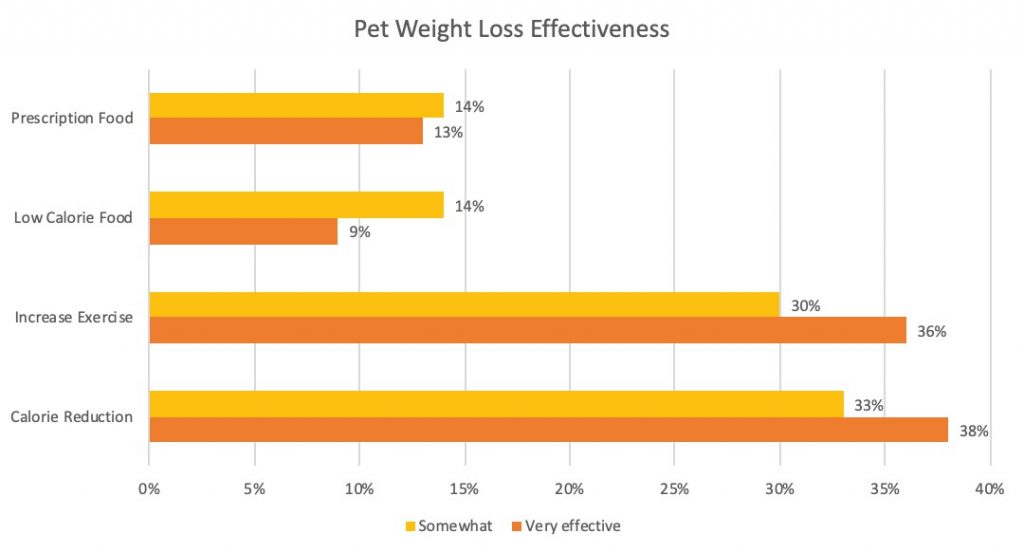
Don’t stress if your dog has gained a few pounds, there are many things you can do, including food management and exercise, to help get them back in shape. Just like humans, results will not come overnight for your dog. Patience is key! And make sure to celebrate the little wins both you and your dog achieve. Here are a few healthy tips to start implementing into your dog’s daily routine:
Stuck at home during coronavirus or don’t have enough yard space for your dog to run and throw the ball? Bring your dog to Dogtopia daycare where they’ll have a fun-filled day full of open playtime, socialization and education. Learn more about doggie daycare.
The post Coronavirus Leads to Rise In Pet Obesity appeared first on Dogtopia.
Whether you’re driving your dog to daycare or taking them to a vet appointment, it is important to know how to properly restrain your dog to ensure their safety in your car.
Not all restraints are created equal. Some may be fine for daily driving while others have been extensively evaluated by crash tests. The dog should always be in the backseat or the cargo area of an SUV.
Good

Any restraint is better than no restraint. A dog that is free in the car can distract the pet parent while they are driving, easily jump out when a pet parent opens the car door, and at worst become an unrestrained projectile in a car accident. This is dangerous for the dog and everyone else in the car.
Better
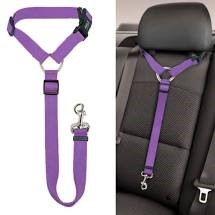

Best
Crash tested crates and harnesses are ALWAYS the best option for restraining dogs in the car. Center for Pet Safety crash tested and independently certified several products that included 3 safety harnesses, 2 travel carriers and 4 different travel crates.
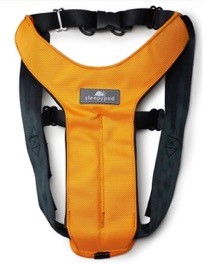
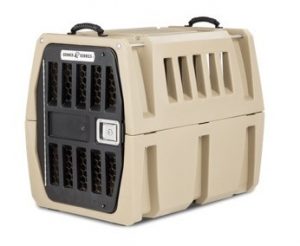
Each state and province have different laws regarding dogs traveling in cars. Do you know your laws? A few states have enacted laws that prohibit dogs from riding unrestrained while others have ambiguous language that can leave it up to a police officer to cite a driver for distracted driving if a dog is found unrestrained or on the lap of the driver. Keep your eyes on what is happening in your state as some states have proposed legislation. Here are a few examples:
The post Car Ride Ready: How To Safely Secure Your Dog in Any Vehicle appeared first on Dogtopia.
During these past three months, dogs have spent every waking moment with their pet parents and family enjoying extra playtime, walks, attention and treats. As pet parents begin to return to the office for work and families return to activities outside of their house, dogs are facing a new reality of being home alone, triggering severe stress and separation anxiety. Regardless of the length of time you’re gone, your dog can go into panic mode and engage in destructive behavior.
Review these signs of separation anxiety and learn what you can do to help train your dog to feel more comfortable when you leave your home.
Dogs can exhibit stress and fear in many ways so if your dog exhibits one or two behaviors it might not be something you need to worry about. However, if they regularly exhibit multiple of the behaviors listed below, it is very likely that your dog has separation anxiety. While these behaviors commonly occur while you are away, dogs can start to show them as you prepare to leave.
If your dog is exhibiting mild to moderate separation anxiety, the goal is to remove the anxiety the dog feels from being alone. This is a gradual process that starts with short timeframes of independent activities that grow into longer time periods spent apart from the dog. Here are a few things you can do to help your dog feel secure.
Calm Exits/Entrances: When leaving or entering your house it is best to say a simple goodbye and hello or even ignore your dog. Emotional greetings, when you leave and arrive home, tells your dog that it is a big deal that you left.
Continuously Come and Go: Help your dog learn that you are not abandoning them every time you leave the house by practicing leaving and returning before they get upset. For some dogs it might require smalls steps in which you pick up your keys, walk out the door and walk right back in. For other dogs you might be able to walk outside for a few minutes before entering your home. Continue to increase the amount of time you leave as your dog gets more comfortable.
Tired Dogs Are Happy Dogs: A well-exercised dog means a happy and less anxious dog. Before you leave for a long period of time make sure your dog gets some type of exercise like a long walk or run or playing catch for a good amount of time.
Break Your Routine: Some dogs start to get nervous as you prepare to leave. They recognize your routine of getting dressed and packing up your bag. Break the pattern your dogs sees by getting dressed, grabbing your keys and sitting down on the couch or getting dressed and sitting down to watch a movie.
Make Alone Time Fun: Give your dog a special treat, that they only get when you leave, like a frozen Kong filled with peanut butter or a snack that will take them awhile to eat. It’s important that they only get this special treat when you are gone. While at home you can help your dog become comfortable with being away from you by increasing independent playtime with mentally stimulating games like the Muffin Tin Brain Game.
Take Your Dog To Daycare: At Dogtopia daycare, dogs can run and play getting plenty of exercise and even learn a new command or two. Paired with dogs of similar size and personality, dogs enjoy endless socialization with their BFFFs (Best Furry Friends Forever) making it the most exciting day ever! Pet parents can join in on the fun from work or home by watching their pups on the webcams. You’ll pick up a tired but happy dog who will be begging you to bring them back for more daycare! Find a Dogtopia near you.
The post Signs Your Dog is Suffering from Separation Anxiety When You Leave Your Home appeared first on Dogtopia.
Dog etiquette is important no matter what type of home you live in, but ensuring your pup has proper manners when living in an apartment or condo is even more critical as public space is tight and shared with many pet parents and dogs. With a little creativity and consistency in their training routine, your urban dog will learn the dos and don’ts of canine city life. Check out these five tips to help you both live your best life at your apartment and all public areas like the elevator, lobby and sidewalks:
Incessant dog barking is not only annoying to you but to your neighbor as well. A dog can be triggered when they hear something they can’t see like someone walking in a hallway or by your patio. Incorporate the three Rs to curb your dog’s barking:
Reward: Praise your dog when they hear noises and are quiet
Redirect: Instead of reprimanding and getting them excited, redirect their focus
Routine: Dogs thrive off of routine as it makes them feel safe. Keep your dog’s schedule consistent, especially when it comes to exercise. Tired dogs are happy and well-behaved which means they’re less concerned with what is going on around them.
The unknown space and movement of an elevator can be an overwhelming and frightening experience for a dog of any size. Instead of forcing your dog to take a ride, work with your pup to desensitize their fear.
Start by standing three feet away from the elevator and having your pup sit. As the door opens, give them treats. This occupies the dog as they cannot sit and pull into the elevator at the same time. Once the dog is inside the elevator, make sure they sit as they need to know this is a common area and not like a dog park where they can jump and play. When the doors close, you want them to be comfortable in the tight space especially with other dogs. Be on the lookout for stress signs like a yawn, lip lick or if they look away. If your pup exhibits any of these signs, it’s time to rework the training by taking the stairs and slowly incorporating short elevator rides.
A building lobby is a highly trafficked area with lots of noise and smells which can incite excitement or stress. It’s important to respect others using the space by keeping your dog near you, calm and well behaved.
Whether you’re standing or walking through the lobby, your dog should always be on a short leash, the expandable ones are unsafe and can lead to wandering. If you find yourself preoccupied, such as getting the mail or reading a notice on the door, step on the leash a few feet from the collar to prevent your pup from suddenly pulling away.
You will frequently encounter other dogs that live in your complex. Your pup will get excited and want to make a new friend. Don’t assume other pet parents will be okay with your dog coming up to theirs. Be sure to ask them for permission and follow the ABCs:
A = Ask: Find out if it’s okay for your dog to greet theirs
B = Brief: Keep the interactions short and positive
C = Chat: Keep chatting when your dogs first meet. It can make your dog nervous if you suddenly get quiet
Properly exercised dogs are happy, well-behaved dogs. In an urban environment, dog daycare is the best way to provide your pup with socialization and playtime in a safe environment.
Dog parks, while seen as a fun and convenient option, are riddled with safety and socialization concerns. No vaccinations are required which means you could be exposing your pup to things like canine cough, parainfluenza and more. And, while it seems like it’s all fun and games, often times dogs are not properly socialized and playtime can quickly escalate into serious encounters resulting in injuries.
Often seen as a viable option, dog walking services can be unreliable and expose your home and dog to a stranger who is not properly trained in canine behavior. Plus, outside plans are often cancelled with bad weather.
At Dogtopia, we’re more than a dog daycare, we’re a safe place for your pup to grow and learn with exercise, socialization and education. Our certified Canine Coaches make it a priority to understand your dog’s history so they can provide personalized, loving care to each pup. We’re committed to your dog’s health by staying on top of all canine health trends by partnering with companies like Merck, requiring Bordetella, DHPP/Parvo, and Rabies vaccinations, and utilizing a pet-safe cleaning program to clean and sanitize the playrooms. To ensure a safe play environment, all dogs are separated by size, temperament, and play style. At the end of the day, you’ll pick up a tired, well-behaved, and happy pup which means less problem behaviors at home and more smiles.
It’s common for urban dwellers to take their pups on the go with them for things like running errands or dinner on the patio at their favorite restaurant. Follow these recommendations to ensure your dog is comfortable with life in the big city.
Have your pup crowned with the title “Best Dog On The Block” by making sure your dog is a pro with all basic commands – sit, stay, down, etc. The more consistent you are with training and positive reinforcement, the more likely your dog will be well behaved in social situations.
Always be prepared with a leash, water and blanket. Using a blanket in public, will provide your dog a safe place to lay down, stay out of the way and clean in public spaces. Introduce the blanket at home, lead the dog there and say “place” and toss a treat on it.
Give your dog something to do while you socialize with friends and family in a public space. Remember to bring their favorite treat or toy to keep them engaged and out of mischief.
Monitor for dangers on the ground. Don’t let them eat unhealthy scraps or foreign objects that could cause healthy issues. And, be cognizant of the temperature and their paws, not letting them overheat in the summer or freeze in the winter.
Take note of your dog’s behavior when you’re out and about. If you find them anxious or exhibiting stress signals, don’t force them to go out. Not all pups are social butterflies. Dog daycare is a great option for them to play and burn off energy. Find a Dogtopia near you.
As with all training, remember that progress, not perfection, is the main goal. Maintain patience with your dog as you teach them how to be a respectful city dweller.
The post Top 5 Behavioral Tips for Urban Living With Dogs appeared first on Dogtopia.
Did you recently introduce a new dog to your family as a result of coronavirus? Don’t be fooled by the adage that you can’t teach an old dog new tricks. While adult dogs might learn at a slower rate than puppies and younger dogs, they still have the ability to be taught new skills. The key to success is repetition and consistency as they adapt to new situations and environments. With each new experience, be sure to create a calm, loving environment with lots of positive reinforcement and you will have a happy, confident and well-balanced dog in no time.
Start socializing your adult dog with these tips:
TAKE YOUR DOG FOR FREQUENT WALKS
Daily walks are great opportunities to expose your dog to new sights, sounds, smells, humans and other animals. It gives you a chance to practice proper behavior with your dog since you’re likely to encounter more social situations during your walk.
If your dog barks or responds in a disruptive or undesirable manner, refrain from scolding or tugging on their leash as it will increase their excitement and create a negative experience for them. Instead, simply walk in another direction and remove them from the situation so they can calm down.
INTRODUCE THEM TO NEW PEOPLE
This can be done even while social distancing. Invite one or two family member or friends over and host them in an open space where your dog can feel comfortable, such as your backyard. Make sure your friends do not approach, crowd or overwhelm your dog. You want your dog to make the first move and approach your guests when they are ready. If your dog does not wander over to investigate, your guests can toss a treat from time to time to show your dog they come in peace. Keep the environment very positive and laid-back to keep your dog relaxed and help them associate new people with good experiences.
MONITOR YOUR ATTITUDE
It is important to keep in mind that dogs sense your emotions and if you seem stressed out or nervous about an experience, so will your furry friend, too. Through body language and tone, you should remain calm and confident. Don’t play into your dog’s fearful or nervous reactions. If you comfort them when they are frightened, you will teach them that there is a reason to be fearful. Your dog feeds off your reactions and attitude, so be calm, collected and act as though the situation is not a big deal.
TURN TO PROFESSIONALS
If your dog is not responding well to your methods, contact a professional trainer or consider taking them to a dog daycare setting like Dogtopia. Our certified Canine Coaches have experience with all breeds and temperaments and can expertly read a dog’s body language and help you determine if daycare would be helpful in socializing your adult dog. Find a location near you.
The post 5 Tips to Socialize Your Adopted Adult Dog appeared first on Dogtopia.
Do you have a new puppy at home and find yourself wondering what’s next? The first year of a puppy’s life is the most critical time for the development of their behavior. Understanding these key stages will give you the tools to interact with your puppy helping them grow into a well-adjusted adult dog.
A puppy practices body postures and vocalizations and learns its effect on littermates. Learns to accept discipline from his mother and moderate the strength of his mouth.
Why is this stage important? If your puppy was either hand raised or removed from his mother or littermates early, it may mean that he will be lacking some basic canine communication skills and might bite harder than other puppies when playing. Make sure he is socialized with other puppies and dogs from a young age.
Best time to bring a new puppy home! Best time to introduce pup to new things in the environment.
Why is this stage important? The most rapid learning in a dog’s life occurs during this time period. Make sure your puppy is exposed to a variety of people and environments. All introductions should be positive and stress-free for the puppy.
Any traumatic or stressful experience at this time will have a more lasting effect on the puppy than if the event happened at any other stage. Lifelong fears and insecurities can be developed in reaction to a negative event.
Why is this stage important? Carefully monitor your puppy for stress or fear. Set your puppy up for success by making sure all new interactions are positive and fun. Some pet parents introduce their puppy to everyone and everything at once and accidentally force him to interact with people or dogs he doesn’t want to meet. This increases fear over time. Let the puppy go at his own pace when meeting new people or dogs.
Puppy starts to test boundaries and seems to forget everything he once knew. This stage can last from days to weeks and occur at any time during the 4-8 months.
Why is this stage important? A sweet puppy will overnight become difficult to manage. He will ignore commands and direction. He may get assertive with other pets in the home or even the pet parent. The puppy isn’t trying to be dominant or bad, he is simply trying to figure out his place in the world. Positive reinforcement and consistent rules are crucial in order to maintain control.
Puppy suddenly becomes fearful of new situations or even things that are well known to him. This fear often corresponds with hormone changes or growth spurts. There could also be an increase in reactivity and guarding behavior.
Why is this stage important? The puppy should never be forced into any situation since it will only exacerbate the fear. Forcing the puppy to “confront his fears” could also make the puppy distrust the pet parent. Instead, use positive reinforcement for all brave behaviors. To help prevent reactivity or guarding, instill strict guidelines that the whole family follows such as having the puppy sit before being pet.
Doggie daycare is a great opportunity for your puppy to grow and learn positive behavior while interacting with other dogs. At Dogoptia, your pup will enjoy an open play environment and participate in healthy exercise – both mental and physical. Plus, they’ll meet their BFFFs (Best Furry Friends Forever)! We promise it will be the most exciting day ever! Find a Dogtopia location near you.
The post Understanding Your Puppy’s Developmental Stages appeared first on Dogtopia.
Sheltering at home during the coronavirus is just as taxing on your dog as it is on you. While they might look like they enjoy snoozing all day, it is important to keep your dog stimulated both mentally and physically. An active dog helps ensure they are getting the education and exercise they need and aren’t getting into mischief while you’re on a work call or teaching your kids.
To help, we’ve got some fun at-home activities that will stimulate them cognitively as well as keep them active. We guarantee these will entertain you both!
These games not only activate different areas of the dog’s brain, but also help build trust between the two of you. Some fun games to try include:
Your home is full of household items that can be put together to create an exciting obstacle course. These will train your dog to listen to your command despite the distractions going on around them. Here are some courses to try inside or in your backyard:
Teaching a dog a new trick boosts their concentration and their confidence. Every dog learns at a different pace so be sure to practice the command frequently and reward them with treats to reinforce when they get it right.
Is your dog destroying their toys or getting bored with the ones they have? Make them some new interactive toys from the comfort of your own home. Not only will it save you some money by upcycling items, but it will be fun for you too! Look around your house for everyday items such as t-shirts, tennis balls and muffin tins that can be repurposed into stimulating toys like these:
Get step-by-step instructions on how to create these and more DIY dog toys here.
We’d love to see what you’re trying at home. Take pictures and videos and share with us on social media by tagging your Dogtopia location and using the hashtag #dogsofdogtopia.
The post Is Your Pup Getting Stir Crazy Being Stuck at Home? Ideas to Keep Dogs Mentally Stimulated appeared first on Dogtopia.
Are you cooped up inside and looking for ways to keep your pup active? Ensuring your dog is getting exercise and playtime doesn’t have to be complicated. Below are three easy indoor dog games that will keep your dog happy, healthy and active.
Put a treat on the ground and point to it as you say “Find It.” When your dog eats the treat, put another treat on the ground, but place it further away and slightly out of sight (maybe behind the leg of a chair) then say “Find It” again. Praise your dog heavily when they find the treat. What’s next? Repeat! Once your dog understands the game, put them in their crate or in sit/stay in another room. Hide three to five treats. Release your pup and cheer them on as they search, find, and enjoy the tasty morsels you’ve hidden.
This game is fun for the whole family! It also helps to exercise your pup and teaches them to respond to their name. Put your dog in sit/stay or have a family member hold them. Find a place to hide. Set your pup up for success by initially hiding in a place where they can easily find you. Excitedly call your pup in a happy and upbeat tone. Keep calling until your pup finds you. When they do, give them a HUGE puppy party with lots of treats and praise; then hide again. As your pup gets better at the game, make it more challenging. Hide in a closet, under a bed, in an entirely different part of the house or even in the yard. The whole family can take turns hiding!
NOTE: If at any point your dog starts to panic or get stressed because they can’t locate you, come out of hiding and make the game easier the next time.
“Dance!” is great trick for both pet parents and dogs! It burns energy while increasing your dog’s responsiveness to your directions. It is also an entertaining trick to show off to friends and family during your next Facetime or Zoom session. Practice “Dance!” when your dog is excited and has some energy. It’s easy to get started! Take a yummy treat or favorite toy. Show your dog the treat or toy, then put it a few inches above their nose. Slowly move your hand in a circle. Calmly praise your dog as they turn to follow the toy or treat. If you get too excited your dog will stop following your hand to focus on you. Once your dog completes one rotation give them the treat or toy. Practice multiple times until your dog understands what you want. At this point, start to say “Dance!” before you move the treat or toy. As your dog gets better, have them do more multiple rotations before giving them their reward. How many circles will your dog do?
We want to see your dancing dogs! Share a video of your dog doing the Dogtopia Dance on social media by tagging your Dogtopia location and using the hashtag #dogsofdogtopia!
The post 3 Games Pet Parents Can Play with Their Dogs at Home appeared first on Dogtopia.
What to Watch for as Hochul and Top Rivals Meet in N.Y. Governor Debate : By BY GRACE ASHFORD from NYT New York https://ift.tt/Lp4NlVH fr...


